Access Control System Service In Pune
What Is Access Control System
Access Control System: is a security measure which defines, on physical or digital level, which person is granted permission to access resources and spaces in a particular organization.
Instead of mechanical keys, electronic access control replaces conventional brass locks and ensures that the person with the correct permission is the only one who can unlock doors, pass through turnstiles, gain entry into buildings, or get to private data.
How does Access Control System work?
All access control systems work in a circle of these 3 principles:
Authentication
the system tries to figure out if you are actually who you say you are, are you actually who you claim you are. A scan of a card, entry of a PIN, or a thumbprint will try to identify you.
Authorization
The central software finds out what you are permitted to do, are you allowed through this specific door at this time?
Accountability
the system logs everything: who went through what door at what time.
- CALL TO ACTION
Don't let electrical worries disrupt your peace of mind. Call us today, to book your reliable technician
97645 55509
CALL US ANYTIME :
Main Technical characteristics of IP Surveillance System.
When you install your IP system through a local dealer in Pune ensure that your system has these structural advantages over its analog counterpart. NVR- Network Video Recorders are your main processing center, they manage the raw data in the form of a digital video stream in local network channels.
PoE Integration-With Power over Ethernet(PoE) switches you don't have to fuss over messy power cables, since they will transmit power and high-speed data through a single CAT6 wire.
High-Definition Assets- Latest systems come with 2 MP up to 8MP High-Definition dome, bullet and Pan-Tilt-Zoom (PTZ) cameras which include even good color night vision capabilities and the microphones are integrated in-built.
97645 55509
CALL US ANYTIME :
- CALL TO ACTION
From quick fixes to complete installations, our expert team in Pune has you covered. Contact us now for safe, dependable service
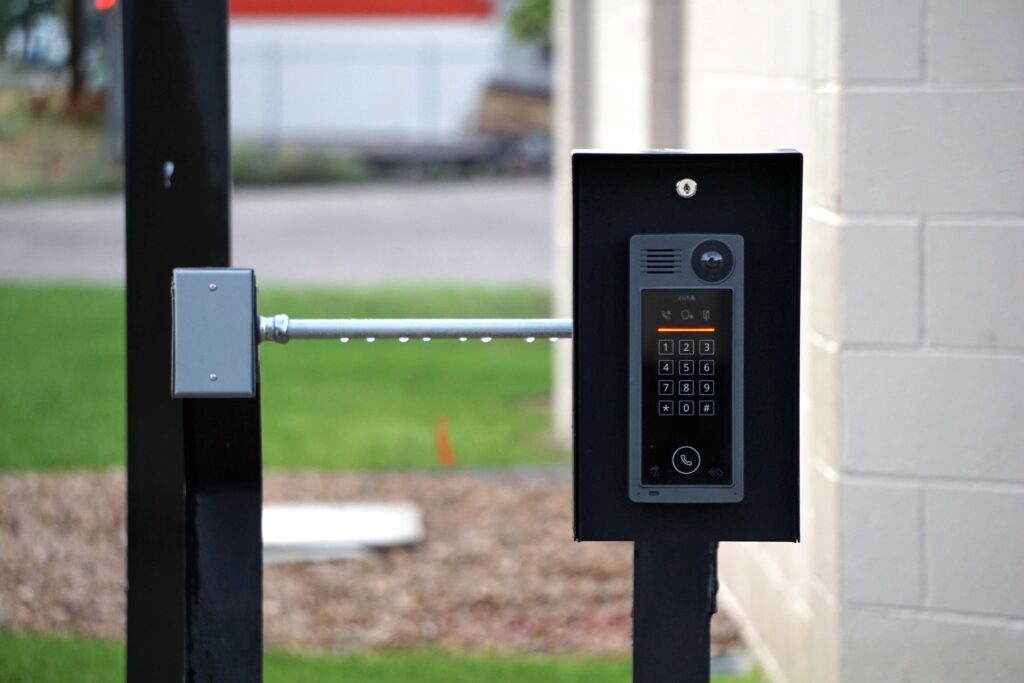
A typical physical access control system is built around four key hardware components:
This is a simplified model but demonstrates how a basic physical access control system functions, and usually, the key hardware components involved are:
1. User Credentials
- These are the devices carried by employees to verify their identity:
Key fobs and proximate (Prox) cards: RFID tags or cards that have a readable electronic identifier. - Mobile credentials: The smartphone using a specific application to transmits keys via NFC or Bluetooth.
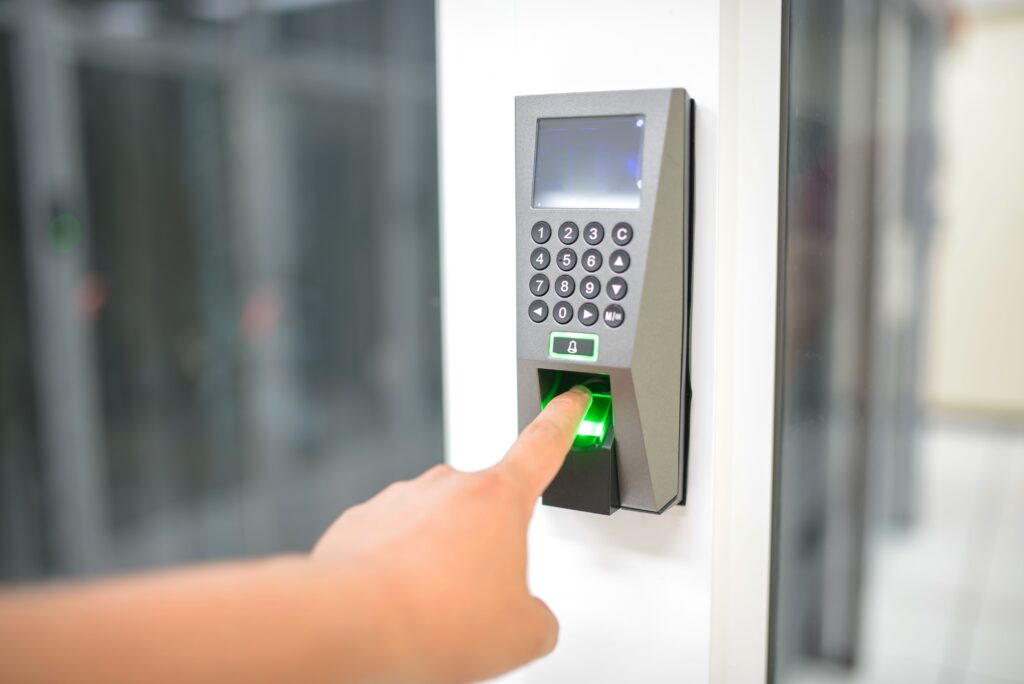
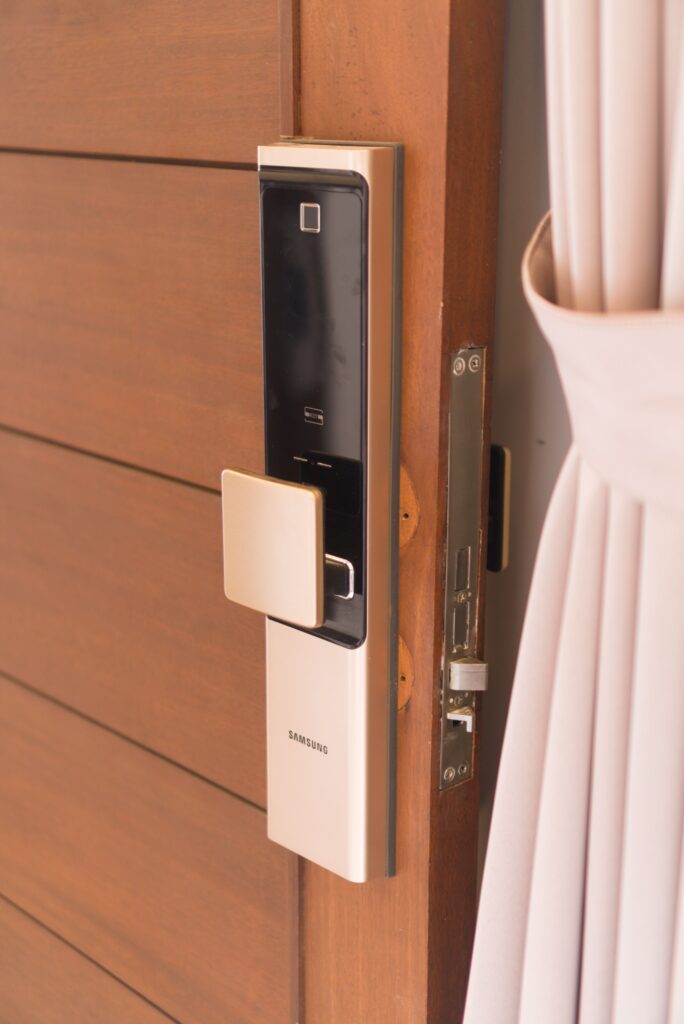
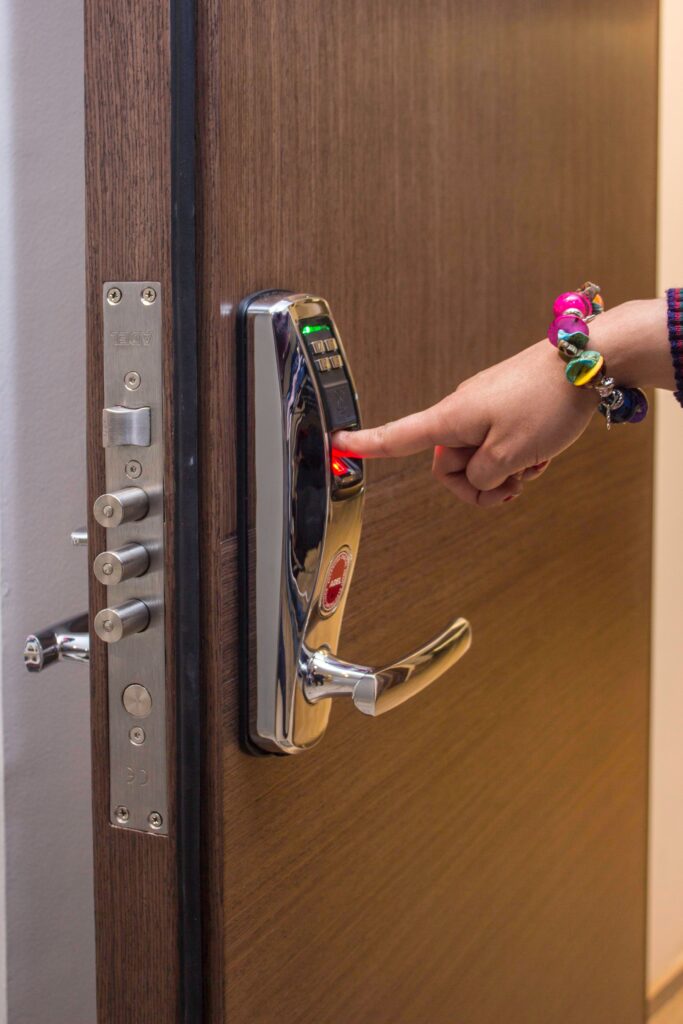
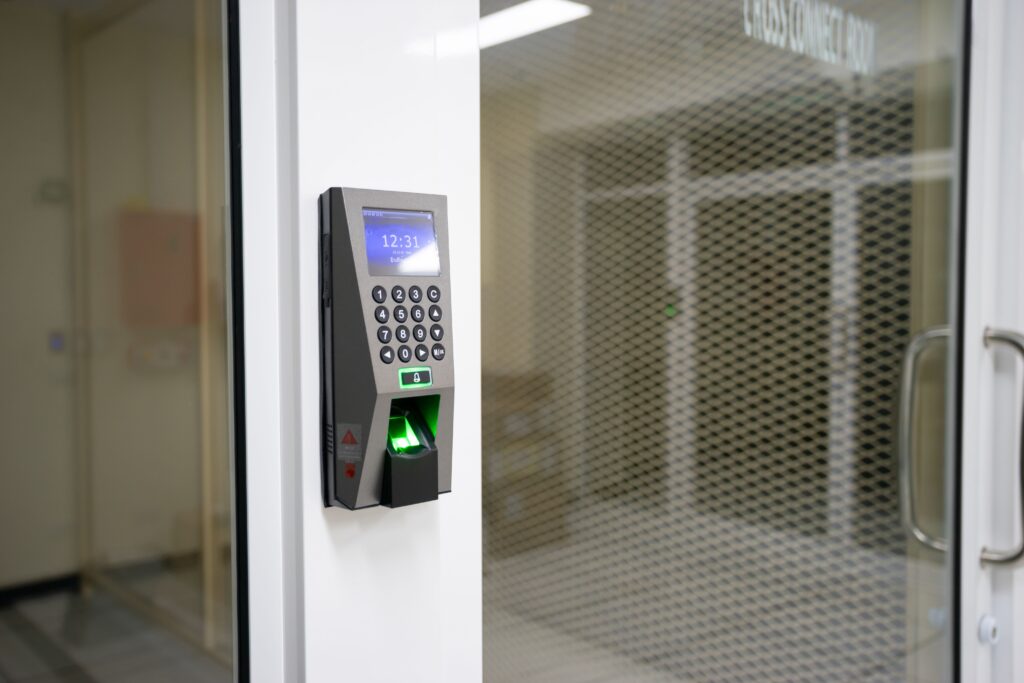
- Biometrics: unique human body characteristics such as fingerprints, iris scans, facial or voice geometry.
2. Readers/Input Devices
These devices are wall-mounted at entries/exits points and used to read credentials then deliver them to the controller. The reader may be a magnetic stripe reader, numeric keypad, biometric scanner, RFID reader, etc.
3. Intelligent Controllers (The Panel)
This is the actual circuit board which resides in a secure server room. The local computer that will compare the readers' data to its database and either authorize or deny the entry.
4. Electronic Locking Hardware
This is the strong mechanical device that the controller will de-energize to release or grant entry:
- Maglocks (Magnetic Locks)
- Electric strikes
The system will also record the transaction by logging who entered, at which door, and at what time to have an audit trail.
Benefits-Both Business & Security
No more re-keying charges
Losing one building master physical key can be quite costly, but if an access control card is lost, it's just a click of a button to de-activate the missing card from your desktop.
Prohibits tailgating;
Smart turnstiles or anti-passback software in turnstiles prohibit more than one person from passing through on one authorized read.
Time-based access control:
employers can disable access after a certain time, so cleaning crew and/or contractors only access areas within their approved timeframes.
Emergency lockdowns:
If there is a safety situation, an administrator can initiate a system-wide lock-down for all peripheral doors.

(556) 589-3366
CALL US ANYTIME :
12th Avenue Road
10258, LOS ANGELES
9 AM - 7 PM (Mon - Fri)
CLOSED ON WEEKENDS